InsightsSkins Gambling4 min read
On This Day: CSGOLotto Won a Dismissal, Later Faced the FTC
Ten years ago, a federal court dismissed a skin gambling lawsuit involving Valve, TmarTn, Syndicate, and others. A year later, the FTC brought its own case against the creators over their undisclosed ownership of CSGOLotto.
 Written by Editorial Desk5 October 2026


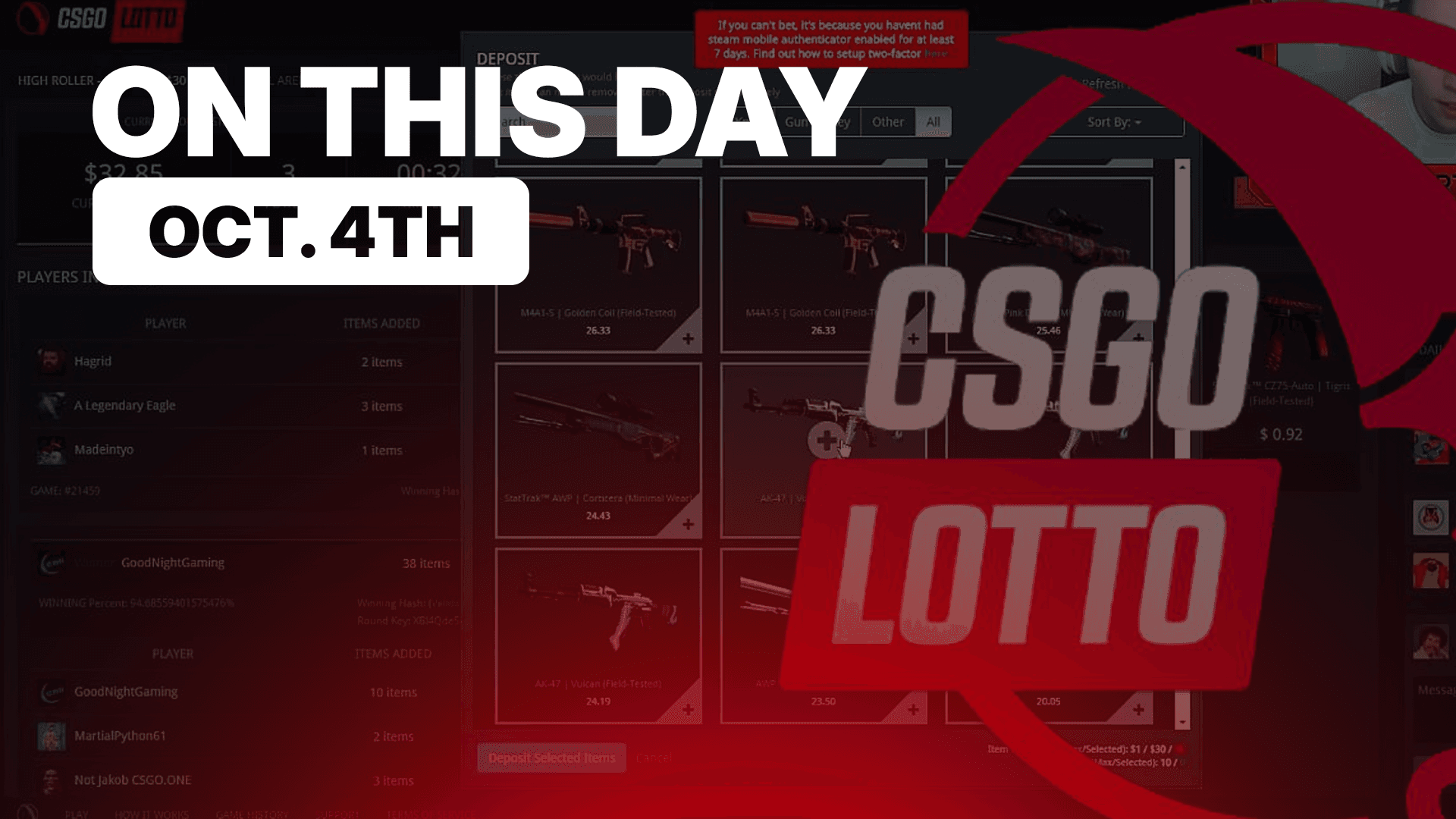
On Oct 4, 2016, U.S. District Judge John C. Coughenour dismissed McLeod v. Valve, a class action targeting the Counter-Strike skin gambling market. CSGOLotto and its owner Trevor “TmarTn” Martin had moved to dismiss the case.
The ruling came months after viewers discovered that Trevor “TmarTn” Martin and fellow creator Thomas “Syndicate” Cassell owned the gambling site they had been promoting. The federal case ended, but the disclosure controversy would lead to a separate Federal Trade Commission action the following year.
The creators behind CSGOLotto
Trevor “TmarTn” Martin and Tom “Syndicate” Cassell were no strangers to the gaming side of YouTube with their channels both adding up to millions of subscribers. They used those channels to promote CSGOLotto, showing themselves betting and winning on a site they jointly owned.
The site offered jackpot and coinflip games, taking an 8% fee on betting pools, according to the FTC’s later complaint. Their content and audiences were the exact target market for the site, which quickly grew CSGOLotto to being a top contender in the industry.
But what was the company structure behind CSGOLotto? In company formation documents, Trevor Martin was the company’s president and Tom Cassell its vice president. Each held a 42.5% stake, as recorded in the FTC’s final order. They were promoting a business they owned and stood to benefit from as more players joined.
Their videos showed large bets, wins and big reactions. But the FTC alleged that CSGOLotto supplied free skins to play with, making the gambling sessions not carry the same financial risk as those of viewers betting their own inventory.
How the ownership came to light
In summer 2016, YouTuber HonorTheCall investigated CSGOLotto’s corporate records and exposed Martin and Cassell’s connection to the company. H3H3 Productions also helped bring the finding in front of a bigger audience.
One early TmarTn video showcased the site as if it was something he had discovered, describing a possible skins sponsorship. The FTC later cited that very video in its complaint, alongside other promotions that failed to disclose his ownership.
Cassell also responded on Twitter, apologising to viewers who felt misled about his ownership and promising greater transparency. In follow-up posts, he insisted CSGOLotto had never scammed players and said he had disclosed sponsorships, claiming a YouTube employee had told him nothing more was needed.
Martin responded in a July 2016 apology video by saying his connection had been publicly recorded since the company’s formation in December 2015. He apologised to viewers who felt it had not been made clear enough.
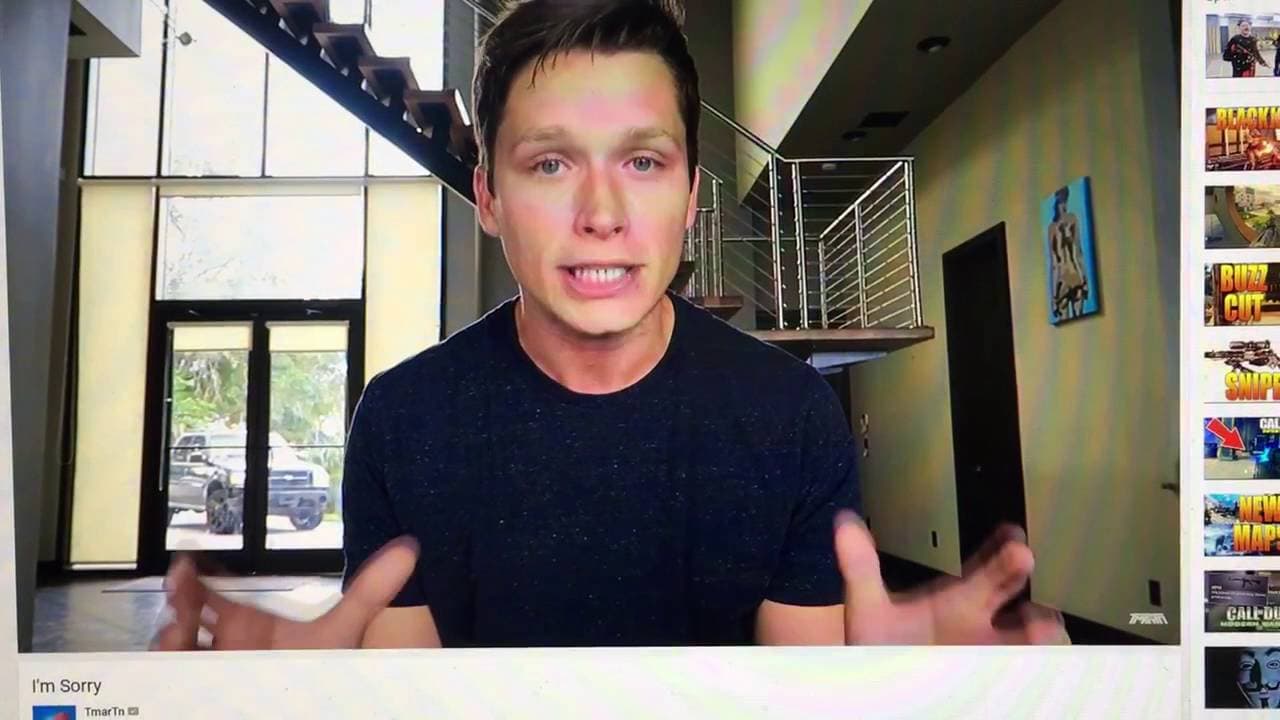
Martin later removed his apology video. Asked on Twitter why he had taken it down, he replied: “I was disappointed in it.”
The FTC later alleged that Cassell’s earlier promotional videos had failed to disclose his ownership. Some video descriptions included a sponsorship statement, but the agency said those notices were hidden below the visible description and did not reveal that he was an owner.
Who was involved in the lawsuit?
The Oct 4, 2016 ruling concerned a broader case than CSGOLotto alone. Filed in Washington federal court in August 2016, the action was brought by Michael John McLeod and dozens of other plaintiffs, including minors identified by initials. Defendants included Valve, CSGOLotto, Martin, Cassell, OPSkins, CSGOShuffle, and James “PhantomL0rd” Varga and his company.
The plaintiffs alleged that Steam enabled illegal skin gambling, including access by teenagers. Their amended complaint sought recovery of skin losses through state law claims and the federal Racketeer Influenced and Corrupt Organizations Act, or RICO.
Why the court dismissed it
The judge found that the gambling losses did not establish the injury required for a civil RICO claim. The plaintiffs also failed to connect alleged rigging to their losses. With RICO dismissed the court declined to hear the state law claims. The plaintiffs had not established another basis for federal jurisdiction under the Class Action Fairness Act.
The court initially dismissed all the claims and blocked them from being brought again. On November 22, 2016, it changed that decision, allowing the plaintiffs to pursue their state law claims in another court. The federal racketeering claim remained closed.
The dismissal did not clear CSGOLotto of wrongdoing. The court rejected the federal claim without deciding whether the site’s gambling operations or promotions broke state law.
Valve’s response and the FTC case
Valve had already announced a crackdown on Jul 13, 2016. It said it had no business relationships with skin gambling sites and that using Steam’s login and trading systems to operate gambling businesses violated its agreements. It would begin sending notices demanding that sites stop operating through Steam.
The ownership disclosure issue took a different route. In September 2017, the FTC announced its first case against individual social media influencers over Trevor “TmarTn” Martin and Thomas “Syndicate” Cassell’s promotion of CSGOLotto. It also alleged that the company paid other influencers between $2,500 and $55,000 to promote the site, with contracts prohibiting statements that damaged its reputation.
The final settlement, approved in November, prohibited misrepresenting endorsers as independent consumers and required clear disclosure of financial connections. Martin, Cassell and the company settled without admitting or denying the allegations.
There was no fine in that settlement. In a response to public uproar regarding the outcome the FTC explained that it could not impose fines for the violations through that action and had no criminal authority. But if theu were to violate the order that could result in civil penalties.
Ten years later, CSGOLotto remains a clear example of the conflict created when gambling content and ownership overlap. Viewers were watching creators promote a casino they own, carrying no risk. The Oct 4, 2016 dismissal ended one federal case, but it did not end the disclosure problem that had brought the site under scrutiny.