NewsRegulation3 min read
UK Regulator Bans AI Gambling Ad Over Character Deemed Too Young
The UK advertising regulator has ruled against a Midnite TikTok promotion after an AI-generated character was deemed to appear under 25, highlighting that gambling advertising rules apply to virtual characters as well as real people.
 Written by Editorial Desk18 September 2026


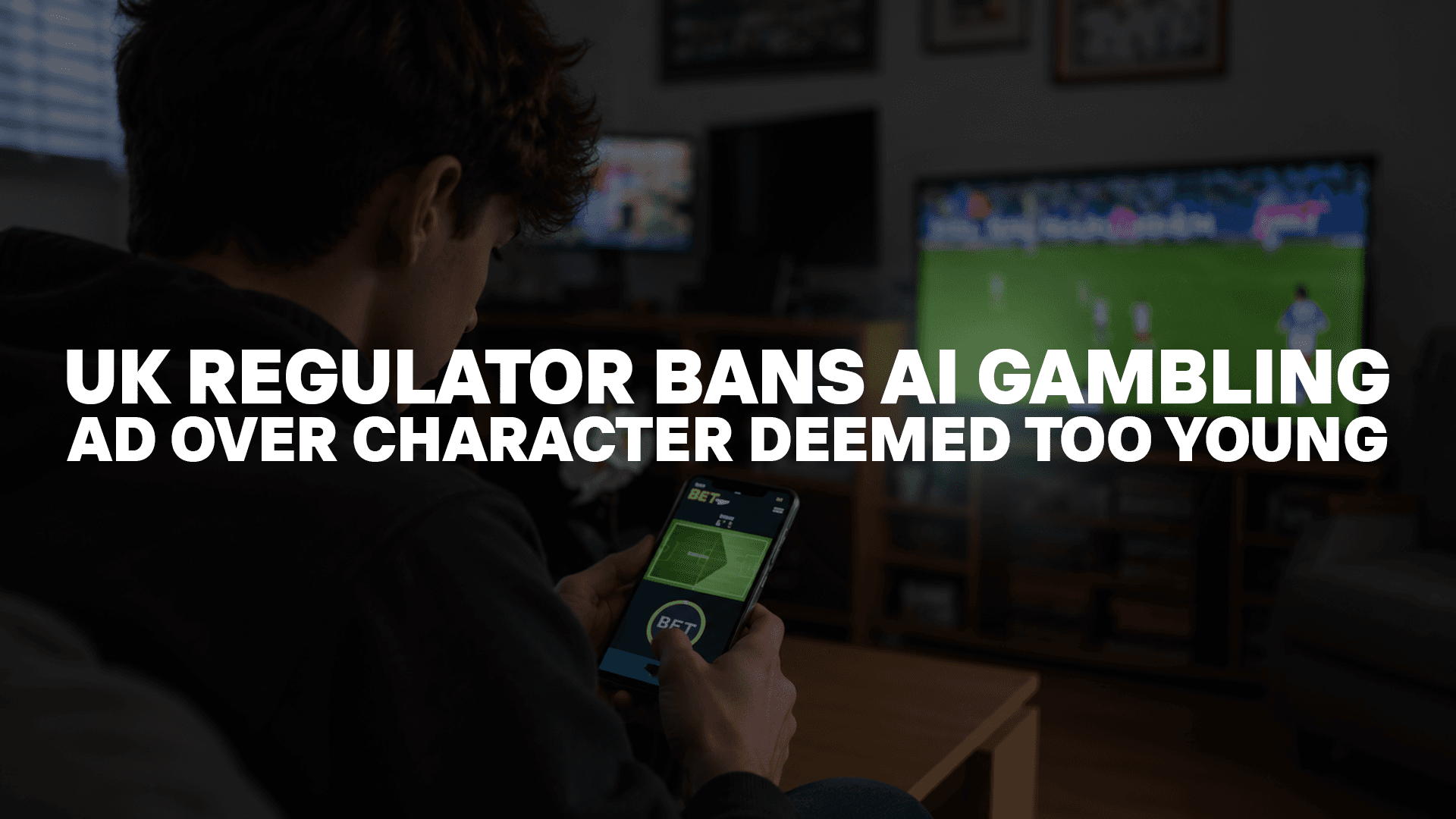
The UK’s Advertising Standards Authority (ASA) has upheld a complaint against a TikTok advertisement promoting sports betting operator Midnite after determining that the AI-generated character featured in the campaign appeared to be under 25.
The paid advertisement was seen on TikTok on July 3 and featured a young-looking man using a gambling app while promoting a World Cup betting offer. The character encouraged viewers to bet £10 on a match in exchange for £30 in free bets.
The ASA’s ruling found that the advertisement breached rules 16.3 and 16.3.14 of the CAP Code, which prohibit gambling advertisements from featuring anyone who is, or appears to be, under 25 while gambling or playing a significant role in the advertisement.
AI Character Still Subject to Age Rules
The character featured in the advertisement was not a real person. Limay Media, the affiliate responsible for creating the promotion, told the ASA that the character had been generated entirely using AI and was intended to represent an adult. No photographs or footage of a real individual were used in creating the character.
However, the agency acknowledged that the prompt used to generate the character did not specify an age. It also said its normal managerial and client approval process had not been followed before the advertisement was published.
The ASA said the fact that the character was artificially generated did not remove the advertisement from the scope of the existing rules.
The regulator assessed the character based on the overall impression presented to viewers, pointing to his youthful facial features, smooth skin, hairstyle, clothing and mannerisms. Taken together, the ASA said these characteristics made him appear to be in his late teens or early twenties.
The character was also shown directly interacting with the gambling app and was the central focus of the promotion, meaning the regulator considered him to be playing a significant role in the advertisement.
Midnite Distances Itself From the Ad
Midnite operator Dribble Media told the ASA that the advertisement had not been authorised by the company. fAccording to the regulator's ruling, Midnite said the promotion had been produced by affiliate Limay Media and that the affiliate had not been contracted to publish paid social media advertising on its behalf.
Following an internal investigation, Midnite said it terminated its relationship with Limay Media and planned to remind its remaining affiliates of their contractual obligations and the CAP Code requirements.
Limay said the advertisement had only remained online for a few hours before being identified and removed. The company described the incident as an isolated failure in its approval process.
It has since introduced additional safeguards for AI-generated gambling creatives, including age-specific prompts, reviews focused on the perceived age of generated characters and records documenting the generation and approval process.
A New Compliance Issue for AI Advertising
The ruling provides a clear indication of how the ASA intends to approach AI-generated characters in gambling advertising. Rather than considering whether a fictional character has an actual age, the regulator assessed whether the character appeared to be under 25 to an ordinary viewer.
The ASA ultimately ordered that the advertisement must not appear again in the form complained about and instructed both Dribble Media and Limay Media to ensure future gambling advertisements do not feature anyone who is, or seems to be, under 25 while gambling or playing a significant role.
The case also underscores the compliance risks surrounding affiliate-produced advertising, particularly as operators increasingly rely on AI tools to produce social media creatives at scale.
For operators and their marketing partners, the ruling suggests that AI-generated characters will be assessed according to the same advertising standards as human actors when their appearance or behaviour forms part of a gambling promotion.