NewsRegulation3 min read
Brazil's Licensed Betting Sites Go Dark After Election
Brazil's regulated betting market has gone offline under provisional measure MP 1,394, with Lula's campaign blaming the ban for a second-place first round and lawyers expecting licensed operators to seek compensation.
 Written by Editorial Desk6 October 2026


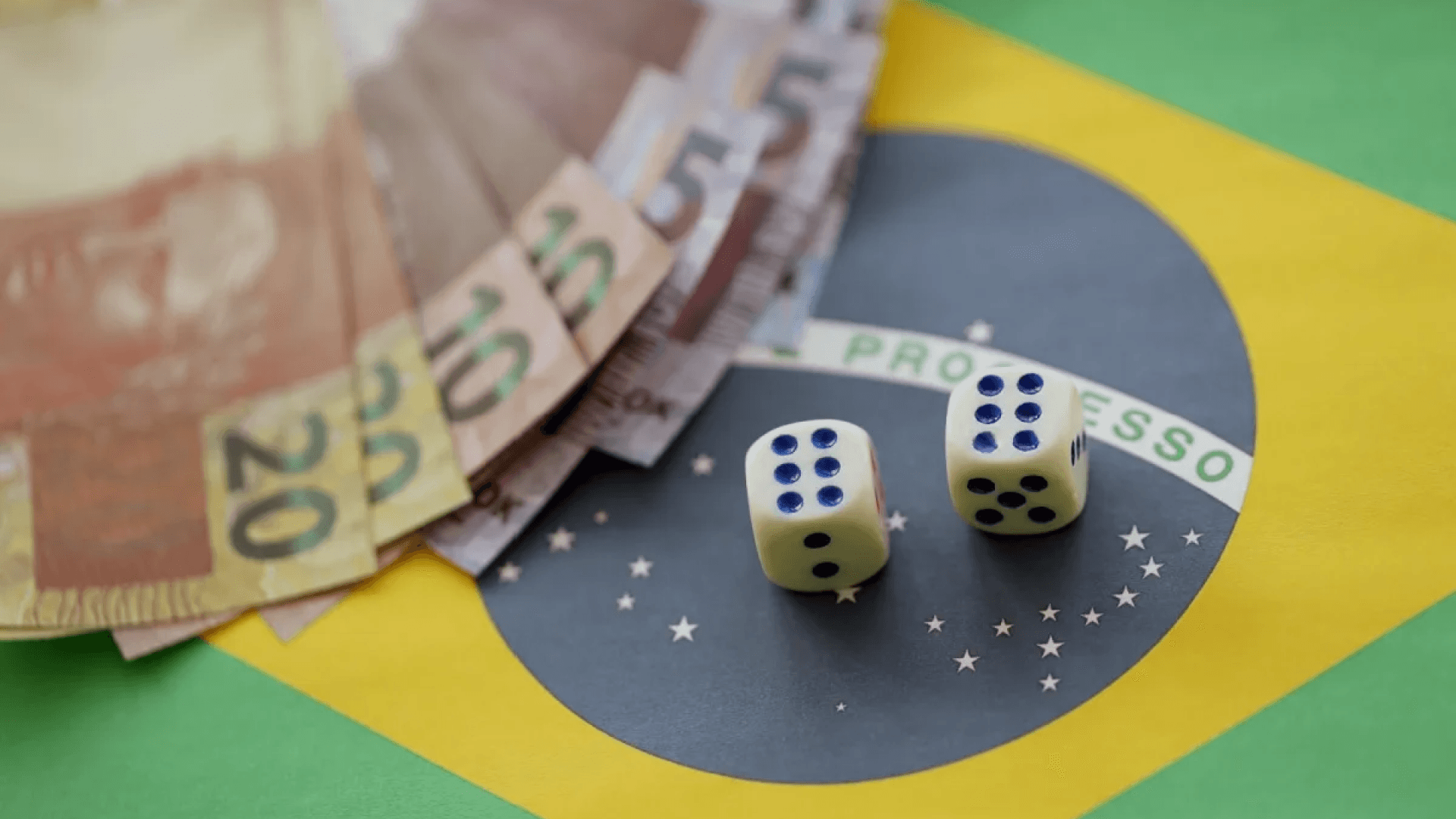
Brazil's licensed betting sites went offline at midnight on October 6, suspended under provisional measure MP 1,394, according to reports. The shutdown came two days after the first round of the presidential election, in which Lula finished second.
The measure bans bets and orders operations to close within 30 days, as Senado Notícias reported. A provisional measure takes effect as soon as it is issued, but Congress must review it. If lawmakers never vote on it, it lapses.
For operators licensed under Law 14,790, which regulates the sector, the shutdown turns a political decision into a legal fight. Compensation claims are expected, and the measure's fate may now rest with a Congress the election has just reshaped.
A popular ban the campaign now blames
Flávio Bolsonaro, Lula's main rival, took first place on Sunday with 47.03% of valid votes to Lula's 45.16%. Lula's share matched Datafolha's eve-of-vote poll, which had him at 45%, while Bolsonaro beat its 42% forecast by five points.
The ban itself has majority support: 62% of voters back it according to Quaest, and 78% according to Datafolha. Members of Lula's campaign still told O Globo it had cost him. Citing social media monitoring, the paper reported that influencers targeting lower-middle-income voters urged a tactical vote for Bolsonaro, and that the campaign fears more damage now the sites are dark.
Other campaign members called the ban radical and risky, according to O Globo, which named Social Communication Minister Sidônio Palmeira and first lady Janja da Silva as the only backers of a total ban. The two sets of figures pull against each other: most voters support the policy, yet Lula's own people blame it for lost ground.
Quaest chief executive Felipe Nunes said 96% of Brazilian voters identify with an ideological position and fewer are open to switching candidates. In our reading, that leaves little room for one policy to swing many votes.
Compensation and a congressional clock
Carlos Akira Sato, co-founder of Syscapital, said in written comments that licensed operators are almost certain to seek compensation, either for cancelled licences if the closure is confirmed or for the period they cannot operate.
The Executive cannot, by unilateral act, extinguish authorisations and simply decree that there is no duty to compensate.
Sato said that if the current Congress does not finish its review within 60 days, "considering the parliamentary recess, the MP may be considered by the deputies and senators elected in this 2026 election." If it is never voted, Law 14,790 comes back into force. "It does not seem reasonable for the president-elect to issue a new provisional measure, which would also be subject to review by deputies and senators," he said.
Bolsonaro's Liberal Party (PL) elected 121 deputies, the largest single-party caucus since the 1988 Constitution, and will hold 28 of 81 Senate seats from February 2027, Correio da Manhã reported. A Senate majority takes 41 votes, which no party holds alone. A legal source cited by researcher Sonja Lindenberg expects a Bolsonaro win to bring tighter rules, not a total ban.
Jobs, the illegal market and investors
The sector employs 15,500 people, 10,000 directly and 5,500 indirectly, according to a study by LCA Consultores and Cruz Consulting commissioned by ANJL and the Brazilian Institute for Responsible Gaming. Folha de S.Paulo reported that a major operator has laid off 500 call center staff.
"A whole month without operating could be fatal for many, leaving thousands of people unemployed," said Fellipe Fraga, CBO of Estelar Gaming. He added that a sports-betting-only market would hit most firms, because sports betting works differently from online casino.
UK consultancy H2 Gambling Capital estimates around R$25 billion (€4.45 billion) a year will shift to illegal platforms. Lindenberg called the government's response disproportionate but said the industry is partly to blame, having never convinced the public that regulated sites differ from illegal ones.
At SBC Summit Lisbon, Ricardo Magri, executive director of EBAC, said foreign executives reacted with shock. "It is very hard to have to come and explain the inexplicable," he said.
Companies made significant investments, hired teams, set up operations and established partnerships in the country on the basis of the current regulatory framework. What the sector wants is clarity on the next steps and, above all, regulatory predictability and legal certainty
Isabella Koon, CCO of Full Company, said affiliates are already testing funnels in eight Latin American countries. ANJL declined to comment. Congress now has 60 days to act, and the runoff will decide which government inherits the result.