NewsRegulation3 min read
Dutch Gambling Industry Takes Meta to Court Over Illegal Casino Advertising
Dutch trade body VNLOK is taking Meta to court over what it claims is widespread illegal gambling advertising across Facebook and Instagram.
 Written by Editorial Desk1 September 2026


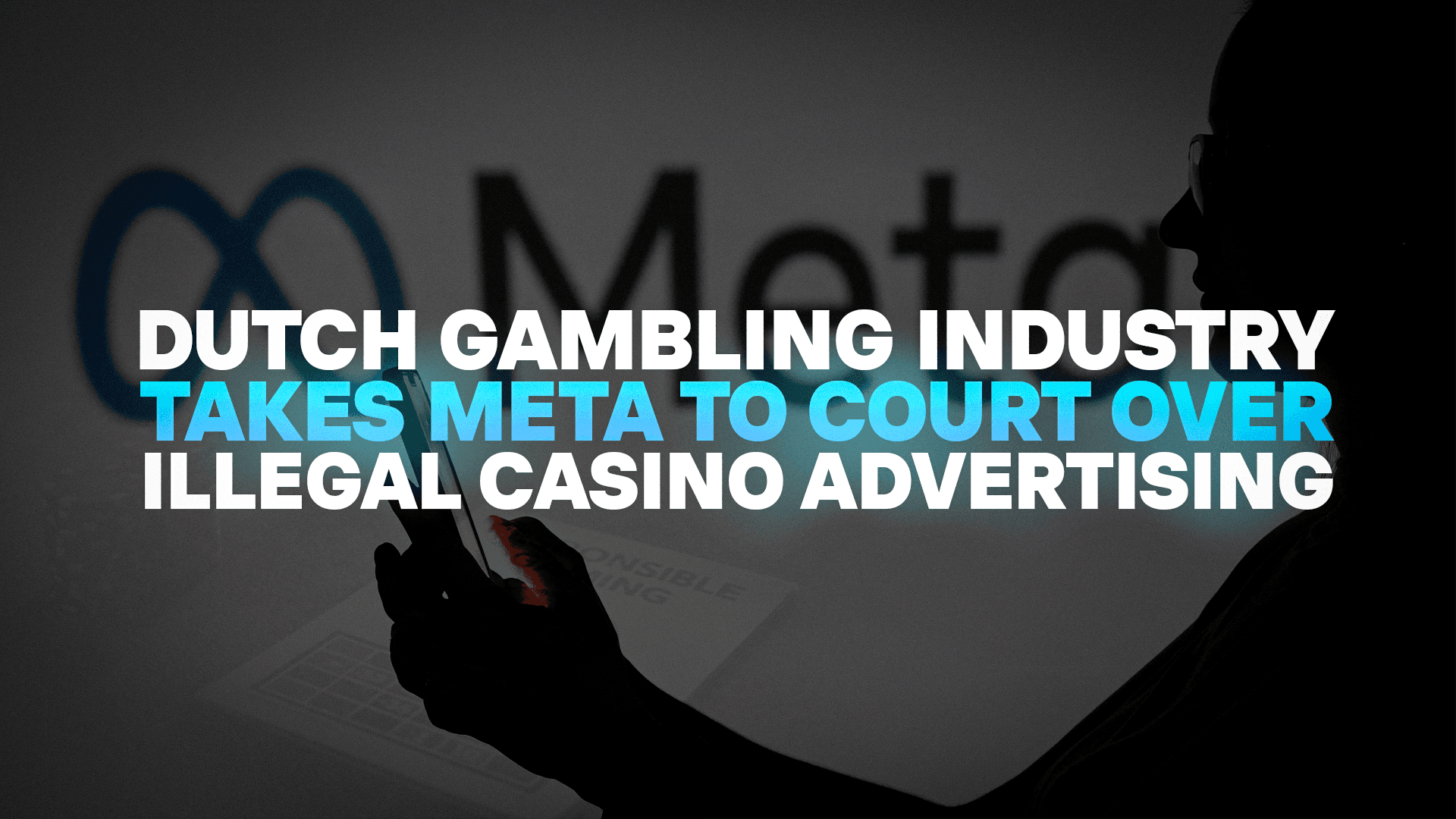
The Netherlands’ licensed gambling industry is escalating its fight against illegal operators on social media, with trade association VNLOK pursuing legal action against Meta over gambling advertisements appearing on Facebook and Instagram.
VNLOK, which represents licensed operators including Entain, bet365 and MGM Resorts, said it is seeking court intervention while also filing a complaint with the European Commission. The association argues that Meta has failed to take adequate steps to prevent unlicensed gambling companies from reaching Dutch consumers through its advertising platforms.
Illegal Gambling Ads Dominate Meta
VNLOK previously found more than 70,000 gambling advertisements targeting Dutch consumers during the fourth quarter of 2025. According to the association, more than 95% were linked to operators without a Dutch gambling licence, while fewer than 5% were removed by Meta.
More recent research published by VNLOK suggests the problem has continued through 2026. In June, 93.7% of the 65,000 highest-reach gambling advertisements examined by the association were classified as illegal. Only 15% were removed by Meta, and the majority of the illegal advertisements remained online for less than a day.
That short lifespan creates a significant enforcement problem: by the time an advertisement is reported and removed, much of its intended audience may have already seen it.
The Dutch regulator, Kansspelautoriteit (Ksa), has also been reporting large numbers of illegal advertisements to Meta. In April alone, the regulator said it submitted more than 4,600 reports concerning illegal gambling promotions on Facebook and Instagram.
A Growing Black-Market Problem
The dispute comes as the Netherlands continues to grapple with the unintended consequences of its increasingly restrictive gambling framework.
VNLOK estimates that more than €1 billion is now wagered annually with unlicensed gambling operators, putting the Dutch black market roughly on par with the regulated market in overall size. The association argues that illegal operators have an inherent advantage because they are not subject to the same requirements surrounding player protection, advertising and responsible gambling.
Paid social traffic has become an important acquisition channel. VNLOK's latest research found that illegal operators are increasingly using disguised Facebook pages, brand impersonation, cloaking and redirects through Telegram to circumvent enforcement. Some advertisements reportedly present themselves as unrelated entertainment, marketing or community pages before directing users toward unlicensed gambling products.
The issue has also extended to vulnerable players. Recent reporting found illegal casino advertisements on Meta platforms targeting people searching for ways around the Netherlands' CRUKS self-exclusion system, highlighting the potential consequences of ineffective advertising controls.
The Fight Moves to Brussels
VNLOK's legal action places Meta's responsibilities under the EU's Digital Services Act at the center of the dispute.
The association argues that platforms of Meta's scale have an obligation to take meaningful, proactive measures against illegal content rather than relying predominantly on users and regulators to report advertisements after they appear.
VNLOK is asking the courts to address Meta's handling of illegal gambling advertising while separately calling on the European Commission to investigate whether the company's practices comply with its obligations under EU law.
For the Dutch gambling industry, the dispute represents more than a fight over advertising. Licensed operators are increasingly concerned that aggressive restrictions on legal gambling marketing, combined with weak enforcement against unlicensed competitors, could push consumers toward the black market.
The central question now is whether Meta can be expected to identify and prevent illegal gambling advertising before it reaches Dutch users—or whether the responsibility will continue to fall primarily on regulators and consumers to report it after the fact.