InsightsIndustry6 min read
On This Day: RuneScape Announced the End of the Duel Arena
Five years after Jagex announced the end of the Duel Arena, we look back at the staking, dice games and gold trading that gave several of today’s casino founders their start.
 Written by Editorial Desk14 October 2026


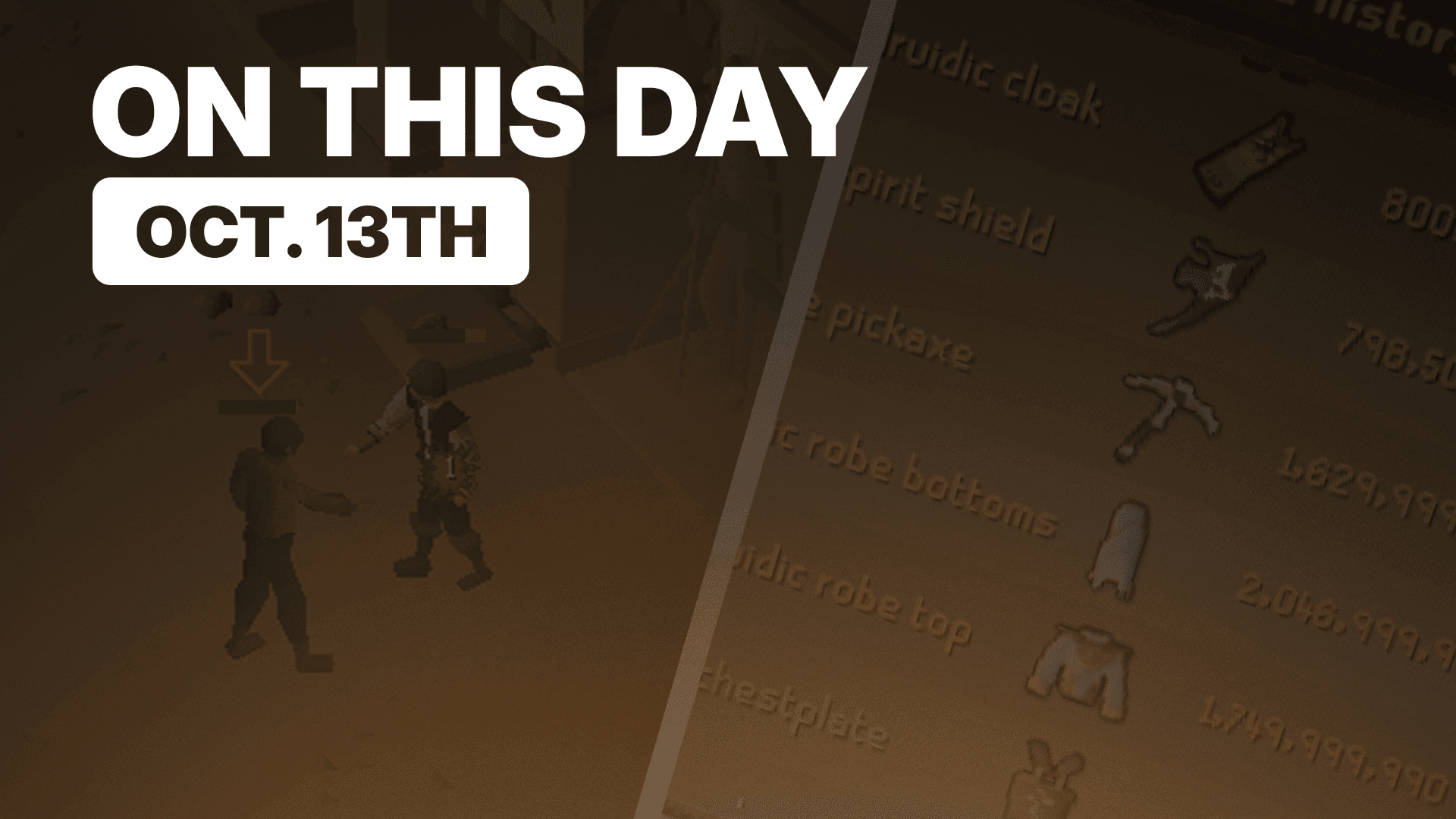
On October 13, 2021, Jagex announced plans to phase out the Duel Arena. In its Old School RuneScape update, the developer said the arena accounted for 38% of its real-world-trading bans, running into thousands each month. A 10 million GP staking cap would come after its replacement in 2022.
For players, it marked the beginning of the end of the “sand casino”, a place where a short fight could decide the fate of an entire bank. For the gambling industry, its history reaches further. Several people who learned to run gambling businesses around RuneScape gold had already gone on to build some of the largest online casinos outside the game.
Some of the founders in the gambling industry from their own accounts connect that scene to Stake, Gamdom and Ossi “Monarch” Ketola, founder of CSGOEmpire and Duel. While their routes post RuneScape may have differed they all had similar starts. Some ran games inside RuneScape, others built websites that accepted its gold, and some passed through Counter-Strike skin gambling before reaching crypto casinos.
How RuneScape Became a Gambling Market
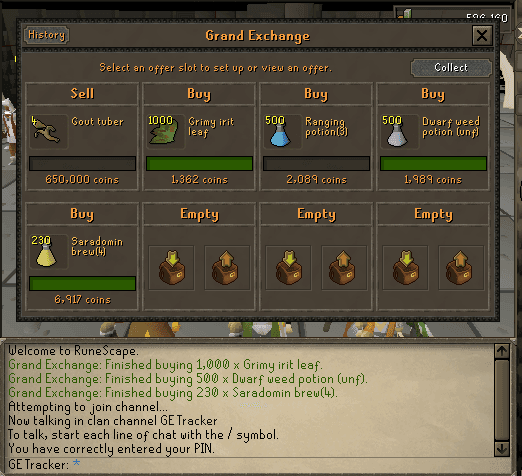
RuneScape’s gold, usually called GP, was earned and traded inside the game. An unofficial market also let players buy and sell it for real money. Jagex prohibited that real-world trading, but the market gave a lost stack of coins a cost beyond the time spent earning it. A gambling win could become cash and a loss could lead to buying more gold.
This is an early distinction players found and learned to handle an asset that existed on a screen but could be exchanged outside it. Gold trading supplied a bridge between gaming, gambling and payments.
There were two different gambling systems. The Duel Arena offered staking through a game feature: two players agreed what to risk and fought for the combined stakes. Separately, players acted as hosts for games of chance, using dice, flowers and other items.
Inside the Sand Casino
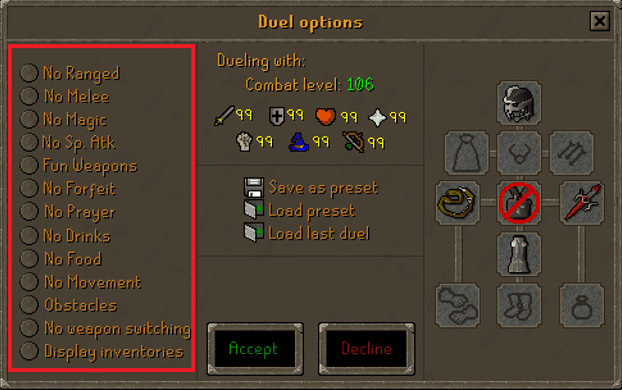
At the Duel Arena in Al Kharid, opponents could agree on the stake and restrictions before entering a fight. Settings controlled equipment, food, potions, prayer and movement. The game awarded the stake to the winner. Whip duels and boxing were familiar formats, with players stripping away options to make the contest depend heavily on combat rolls.
Jagex’s October 2021 plan addressed that problem as well as the volume of gold changing hands. Alongside the cap, it proposed presets for whip and boxing duels to make the expected settings easier to recognise and scams harder to carry out.
Dice, Flowers and the Player Acting as the House
Outside the arena, a host accepted a player’s gold and promised a payout if a random outcome went their way. In dicing, the result came from a dice item. In flower games, players used the colours produced by planting mithril seeds. Hot-and-cold games grouped colours into winning and losing outcomes; flower poker compared sets of flowers like poker hands.
These games depended a lot on trust. The game could produce the result, but the host had to honour the bet. Jagex’s rules describe the underlying risks: unclear terms, odds weighted towards the person offering the game, and no guarantee that a winner would be paid.
Gamdom founder Felix Roemer described a dice game paying double on a roll above 60. Assuming equally likely results from 1 to 100 and a two-times total return, that means a 40% win probability and 20% house edge. Jagex repeatedly removed the randomness players were selling. Dice rolling was disabled in November 2011. Other changes made planted flowers appear the same colour and fixed the results of emotes used for betting. A toy horse was changed to deliver the line “Just say neigh to gambling!” The casino equipment was being dismantled one item at a time.
On March 18, 2013, Jagex announced a broader crackdown on player-run games of chance. Its explanation named spam, scams, damage to the economy and links to gold farming and real-world trading. These improvised games were a separate issue from the staking feature that remained in the Duel Arena.
When Staking Became Someone Else’s Business
Commission staking was another aspect. Instead of fighting themselves, players could hand gold to a host who staked on their behalf. Organised friends chats brought together hosts and customers, putting someone between the player and the bet.
In November 2014, Jagex said more than 60% of the real-world-trading bans it was making came from activity linked to commission-staking friends chats. It had removed more than 10 billion GP from associated accounts. The developer said these organised groups were acting as fronts for real-world traders and made participation, hosting and advertising part of the prohibited activity.
Ed Craven and Bijan Tehrani: From RuneScape to Stake

Ed Craven and Bijan Tehrani met through RuneScape as teenagers around 2010, with Craven in Australia and Tehrani in the United States. In a 2025 Forbes Australia interview, they described a relationship built through the game and regular TeamSpeak conversations, followed by gambling operations within it.
Their next opportunity was outside the arena with Bitcoin. Tehrani recalled looking at Satoshi Dice and thinking they could build a better product. PrimeDice followed in 2013, reducing the offering to a simple dice game with Bitcoin deposits and withdrawals. Craven recalled handling launch problems while still attending school.
Those early operations also taught them the cost of taking bets. Craven described learning about variance and bankroll management when customers wagered larger amounts. Tehrani recalled software bugs and the two founders handling customer support themselves. Winning the customer’s trust was part of keeping the business alive.
Stake later launched in 2017. Forbes’ separate 2024 interview traces the progression from RuneScape staking to PrimeDice, Easygo and a casino that expanded into slots, table games and sports betting. The same founders later launched Kick in 2022, moving into the distribution of live entertainment as well as gambling.
Felix Roemer: RuneScape Gold Led Him Into Bitcoin

Gamdom founder Felix Roemer has described the connection even more directly. In a February 2023 interview with BitcoinCasinos, he said: “I actually first got into gambling through Runescape.” He recalled running dice games around 2011 while still a child.
Roemer said he sold the gold he earned, initially through PayPal and then for Bitcoin from 2013. For him, gold trading supplied both the proceeds of a gambling business and the introduction to a different payment system.
Gamdom began in 2016 as a Counter-Strike skin gambling site, according to the same interview. Roemer said restrictions around skin gambling left the business choosing between a play-for-fun product and a crypto casino. It chose crypto.
Ossi Ketola: From RuneScape Poker to 0 Edge Gambling

Ossi “Monarch” Ketola’s route also began before his Counter-Strike businesses. In a September 2025 Reddit AMA, he said he had earned tens of thousands through RuneScape as a young teenager and lost money playing poker while overestimating his ability.
He then described switching sides of the business: “created my own poker site operating with Runescape gold as a currency at the age of 15”. Prime example of being an early adopter building an outside gaming product around in-game currency, rather than simply a future casino owner who happened to play RuneScape.
Ketola later built CSGOEmpire. In his earlier interview with Gambling Lore, he dates the start of development to 2015, working from his bedroom with a business partner, freelancers and an €11,000 loan. The Counter-Strike business preceded his industry first 0 edge crypto casino Duel.
Like Roemer, Ketola’s history passes through in-game currency as stake before the later transition to crypto casinos. Another casino owner who got his start in RuneScape gambling.
The Arena Closed After the Founders Had Moved On
The October 2021 announcement came years after PrimeDice, Stake, Gamdom and CSGOEmpire had been built. Removing the Duel Arena did not create those businesses, the founders had already found ways to operate beyond RuneScape.
Old School RuneScape replaced the arena with its PvP Arena in July 2022, opening a soft launch on July 6 before the full launch the following week. The replacement focused on matchmaking, tournaments, rank and reward points. October 13 marks the decision to phase out the old arena, rather than the day it disappeared.
These histories connect five founders to RuneScape gambling: Craven, Tehrani, Roemer, Ketola and Killian. They do not provide a count of everyone in the industry who came through that scene, or prove that all of them belonged to the same community.
What they do show is a recurring starting point. Before running casinos with crypto deposits, these founders had dealt with game currency that could be bought, wagered and sold. They had experience attracting players, settling bets or building gambling products around it.
Five years after Jagex announced the end of the sand casino, that is its connection to today’s industry. RuneScape gave several future operators their first gambling market. Their businesses outgrew the game long before Jagex removed the arena.